
Dispatches / Infrastructure
Three Detained After the Klimovsk Heating Failure
Three detentions followed the Klimovsk heating failure. The case highlights the distinction between investigating responsibility and restoring a heating supply.
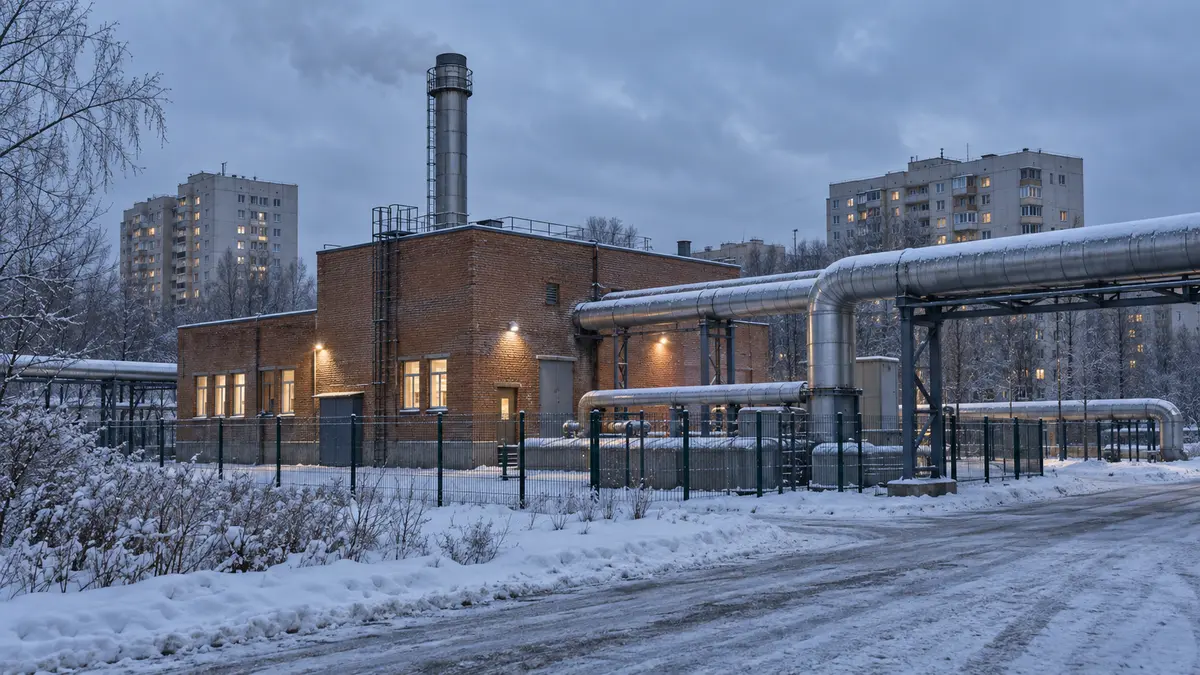
Investigators reported three detentions after the heating failure in Klimovsk, in the Podolsk urban district of Russia. A boiler-house chief, a factory general director and a deputy head of the Podolsk administration were detained, Interfax reported on 9 January 2024, citing the regional Investigative Committee. The report also described investigators’ suspicion concerning the issue of a heating-season readiness document despite known equipment defects. These were allegations, not findings of guilt.
Municipal operation was being arranged
A day earlier, Governor Andrei Vorobyov said the municipality was taking over operation of the boiler house, according to a separate Interfax report of 8 January. A transfer roadmap was planned for 10 January. He said a second boiler had been started, while pipe replacement and repairs to the distribution system were continuing.
That account describes an operational response and a planned handover, not proof that a later ownership transfer had been completed. It also places the investigation alongside repair work rather than treating the detentions as the end of the service disruption.
Readiness records need an operational meaning
Separately from the allegations in this case, the incident raises a general management question: what can a readiness record actually demonstrate? A document may identify a review, but its usefulness to an operator depends on the underlying observations and the treatment of issues found. The following points are analytical questions, not additional findings about Klimovsk.
Questions for a maintenance review
- Does the record distinguish completed work from work still awaiting attention?
- Can a reader identify the equipment and date to which an observation relates?
- Is responsibility for following up an unresolved issue clear?
Answering those questions requires the actual records and appropriate technical expertise. A news report cannot supply either. A signature alone should not be used by an outside observer to reconstruct equipment condition or assign individual blame.
Keep service information separate from blame
For households and businesses, an investigation update and a service update answer different questions. The former concerns the examination of past events. The latter concerns what supply is available and what remains to be restored. Neither should be presented as a substitute for the other.
Clear reporting can therefore acknowledge the investigation without inventing a repair timetable, a compensation promise or a verdict. That is the limit of the present account: a dated report of detentions and allegations, followed by general questions about how infrastructure readiness is documented.
Leave a comment