
Dispatches / Infrastructure
Moscow Reviews the First Year of Its Electric River Service
Moscow reported about 900,000 passengers in the first year of electric river boats. A June route extension starts a new period for assessing use of the network.
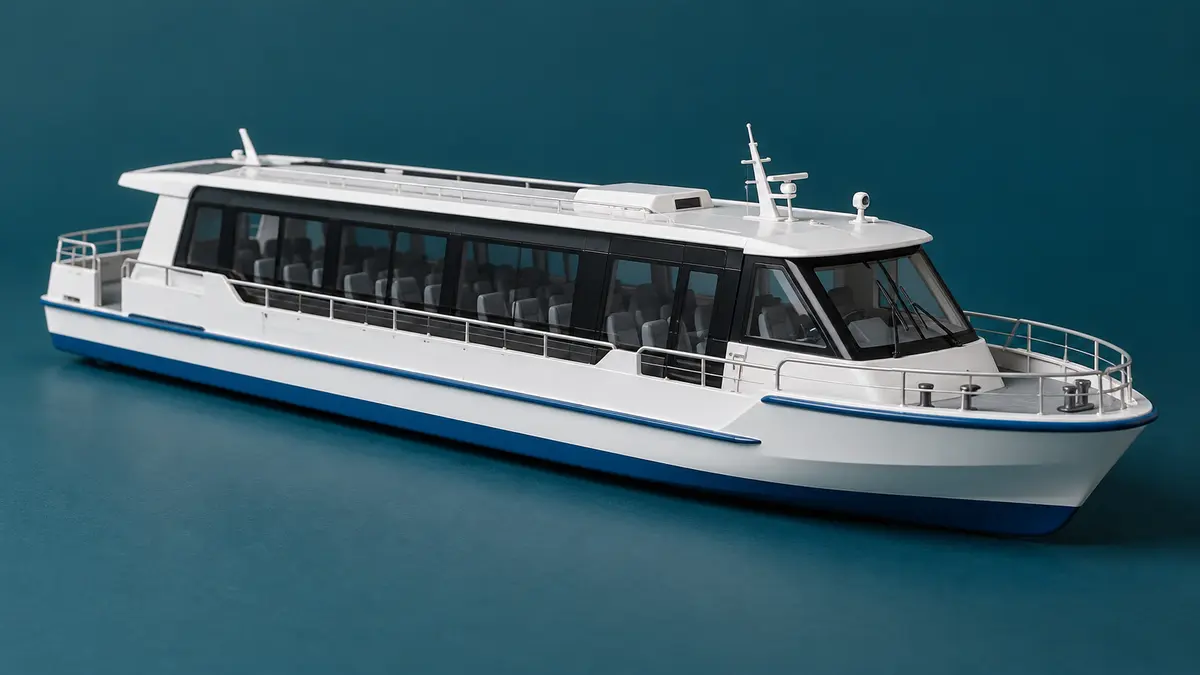
Moscow's scheduled electric river vessels carried about 900,000 passengers and completed 35,000 sailings in their first year, Vedomosti.Gorod reported on 20 June, citing city figures. The service in Russia's capital invites a look beyond the total volume carried to the journeys that river routes make possible.
The network changes during the year
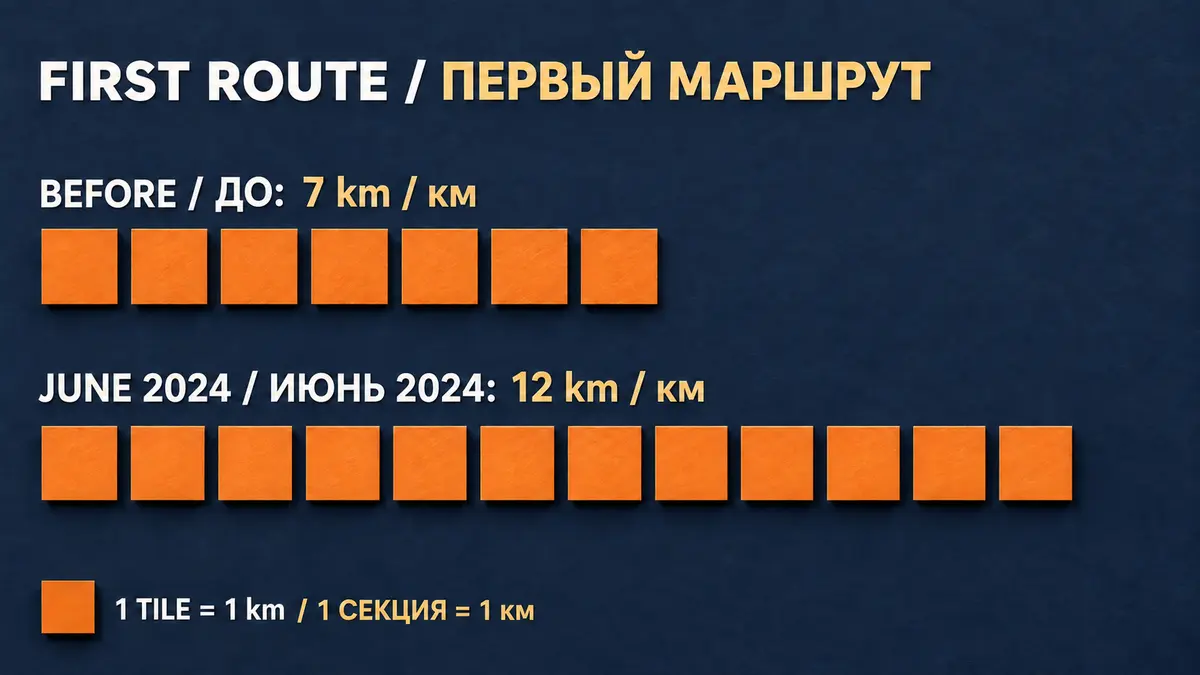
The publication also reported that the first route was extended from 7 to 12 km in June. The first-year total and the line's dimensions after expansion therefore describe different snapshots. The new section could not have contributed traffic throughout the entire period already completed.
This distinction matters when comparing transport projects. Wider coverage, more sailings and changes in passenger volume can occur together, but they answer different questions. Combining them into one measure makes it difficult to tell whether more journeys have become possible or an existing connection is being used more intensively.
The pier is part of an everyday journey
For a resident, the usefulness of a river line does not begin on board. The journey includes reaching the pier, waiting for departure, travelling along the river and then reaching the destination. Even a short passage on the water may be only one part of a longer trip. The relevant comparison concerns the whole sequence, not simply the distance between two points on the river.
Keep the measures separate
- Passengers carried and the number of distinct people using the service.
- The length of a line and the time needed for a door-to-door journey.
- The network total and traffic at a particular pier.
- A full year's results and observations after a new section opens.
For example, in a hypothetical journey, one person might take a vessel in the morning and return in the evening. That does not make two different users. The published total alone cannot establish how many passengers travelled regularly and how many tried the service once. This example explains a distinction between measures; it does not describe the actual composition of Moscow's ridership.
An extension starts a new observation period
After a route changes, it is useful to observe how journeys are distributed between stops and times of day. For a business beside a pier, the relevant movement is not the citywide total but the people passing during its opening hours. A passenger coming ashore has not necessarily visited a shop or paid for a service: that is a separate action requiring a separate observation.
The first year establishes that the service was operating sailings and carrying passengers. A single aggregate figure cannot establish profitability, occupancy on each vessel or the effect on nearby businesses' sales. The June extension adds a new section to an operating system; observation of its use begins on its own date, not when the original route first opened.
Leave a comment