
Dispatches / Infrastructure
Paris Voters Back 500 More Pedestrian Streets
Paris voters support greening and pedestrianising 500 more streets. Local consultations will identify locations before feasibility studies and construction work

Voters in Paris have supported a proposal to pedestrianise and add greenery to 500 more streets. In the March 23, 2025 municipal consultation, 65.96% of valid votes favoured the proposal, with turnout of 4.06%, Reuters reported. The result sets a direction for further neighbourhood changes in the capital of France.
Street selection comes next
The city's results notice describes consultations at arrondissement level to identify streets, assess feasibility and programme construction. It estimates three years for carrying out the work. The proposal envisages five to eight additional streets per neighbourhood. Those are planning intentions, rather than a statement that the full set of streets has already changed.
For a resident, the difference between a citywide decision and a named street is substantial. A broad commitment says what sort of public space the city wants more of. The selection of an address determines which daily journeys, entrances and neighbouring premises will be affected. That is why a vote on an overall programme leaves important local questions open.
Reading the result
The percentage supporting the proposal describes the division of valid votes. Turnout describes participation in the consultation. The two measures answer different questions: one identifies the winning choice among expressed preferences, while the other indicates how widely the voting opportunity was taken up.
From an overall decision to a local project
- A consultation result records a choice about the programme.
- A selected street gives that programme a specific location.
- A finished project changes the space that people can use.
These stages should not be compressed into a single announcement. A drawing of a future street is not the same as an accessible route on the ground. Likewise, a construction schedule provides information about intended timing, while an opening establishes that a particular section is ready for everyday use.
What changes at street level
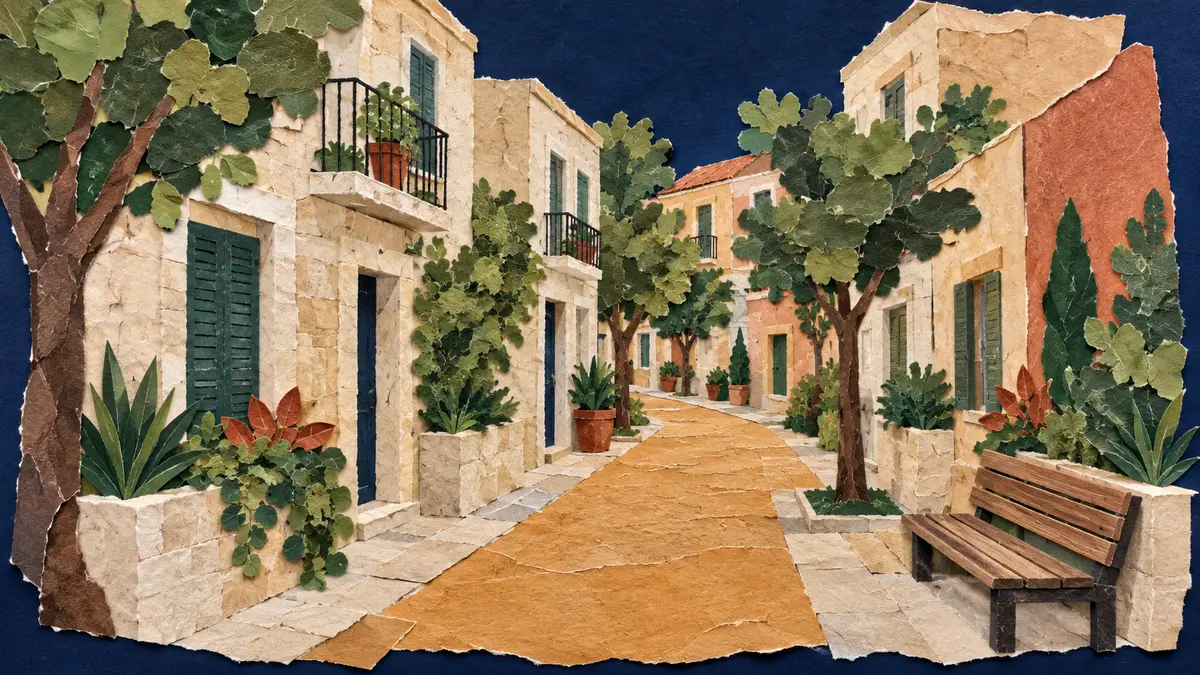
The practical questions extend beyond counting streets. A pedestrian route connects doors, crossings and places where people pause. Its usefulness depends on those connections: reaching a shop entrance, crossing to the next block or finding a continuous path through the neighbourhood. A count of projects cannot by itself describe that experience.
The next meaningful detail for residents and nearby businesses is therefore the local proposal. It can show the boundaries of the work and the relationship between the altered street and its surroundings. The consultation has provided an overall preference; the subsequent planning will determine how that preference takes shape at individual addresses.
Leave a comment