
Dispatches / Local Business
Paris Restaurants Face Empty Tables Before the Olympic Opening
Paris restaurants near the Seine faced quiet tables before the Olympics. A reservation showed intent to dine, but did not settle a practical question of access.
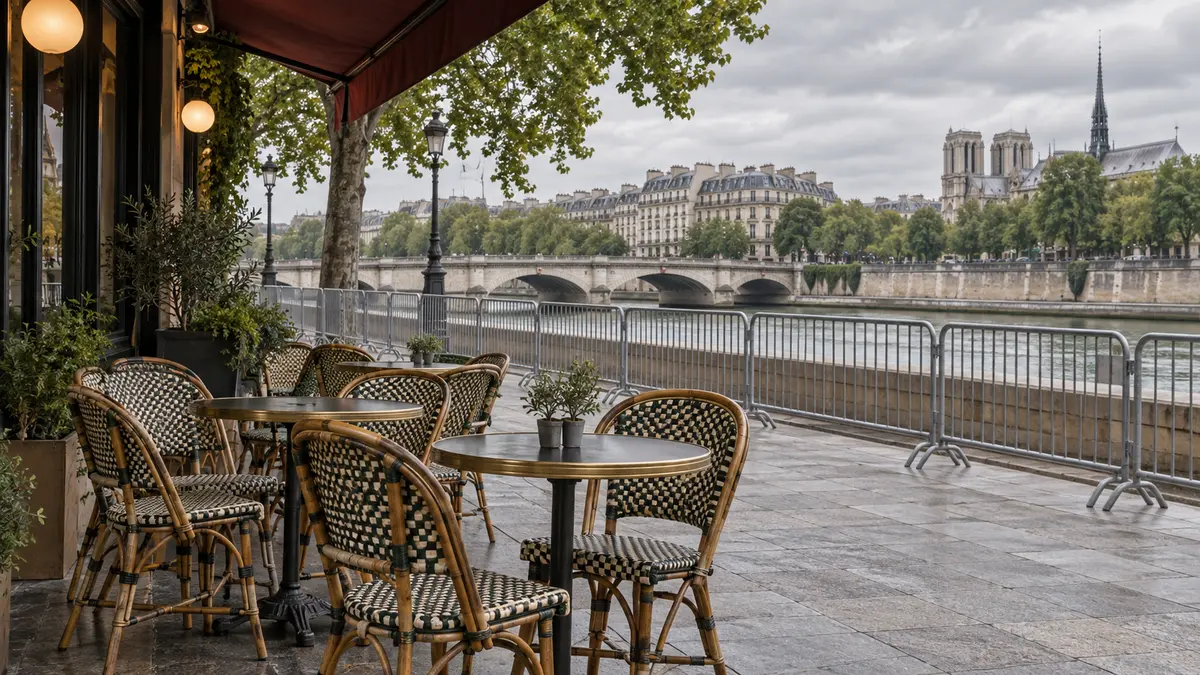
Restaurants beside the Seine in Paris were facing empty tables as security restrictions limited movement before the Olympic opening ceremony, Reuters reported on 21 July. For businesses in the capital of France, proximity to the event was not automatically translating into arriving diners.
A reserved table can remain empty
The Reuters report described a restaurant owner's concern that customers with reservations did not know about the QR-code authorisation needed to enter the security zone. The problem was therefore not simply whether somebody wanted a meal. A booking and the practical ability to reach the restaurant were separate matters.
A reservation system records an intention at a particular time. It does not, by itself, explain temporary conditions outside the premises. When those conditions change, the familiar confirmation containing an address and a time can leave an important question unanswered: what does the guest need to check before setting out?

The reminder becomes part of the visit
Consider a hypothetical restaurant sending a reminder for a dinner booking during a major event. Repeating the menu and table time may be useful, but neither tells a visitor whether the approach they normally use is affected. A short notice pointing to the relevant official information serves a different purpose from a promotional message.
Keep three messages distinct
- The restaurant's own confirmation of the table and time.
- A notice that temporary arrangements may affect the journey.
- A reference to the authority responsible for current access information.
This is a communication example, not a description of measures adopted by the restaurants interviewed. It does not mean a restaurant can issue permission or guarantee entry. Keeping the roles clear avoids turning a helpful booking reminder into an assurance the business cannot make. It also gives a guest a reason to check arrangements before the scheduled meal rather than discover the question at the final approach.
Count arrivals separately from bookings
For the hypothetical operator, a full reservation list and a busy dining room would be different observations. Comparing booked parties with those that arrive could reveal a gap, but the gap alone would not establish its cause. A cancellation, a late arrival and a guest who cannot reach the premises are not interchangeable explanations. Talking to the guest provides additional context, whereas a single reservation status often leaves several possible interpretations.
The report captures a particular period before the ceremony, not the commercial result of the entire Games. That narrow timeframe matters. The useful business lesson is about the information surrounding an individual visit: demand for a table can exist while the journey to it remains uncertain. A citywide occasion does not remove the need to communicate at street and doorway level.
Leave a comment