
Dispatches / Workforce
Music Returns to the Restored Petersburg Conservatory
A June concert brings music back to the restored Petersburg Conservatory. Updated classrooms support teaching, while the student return remains a separate step.
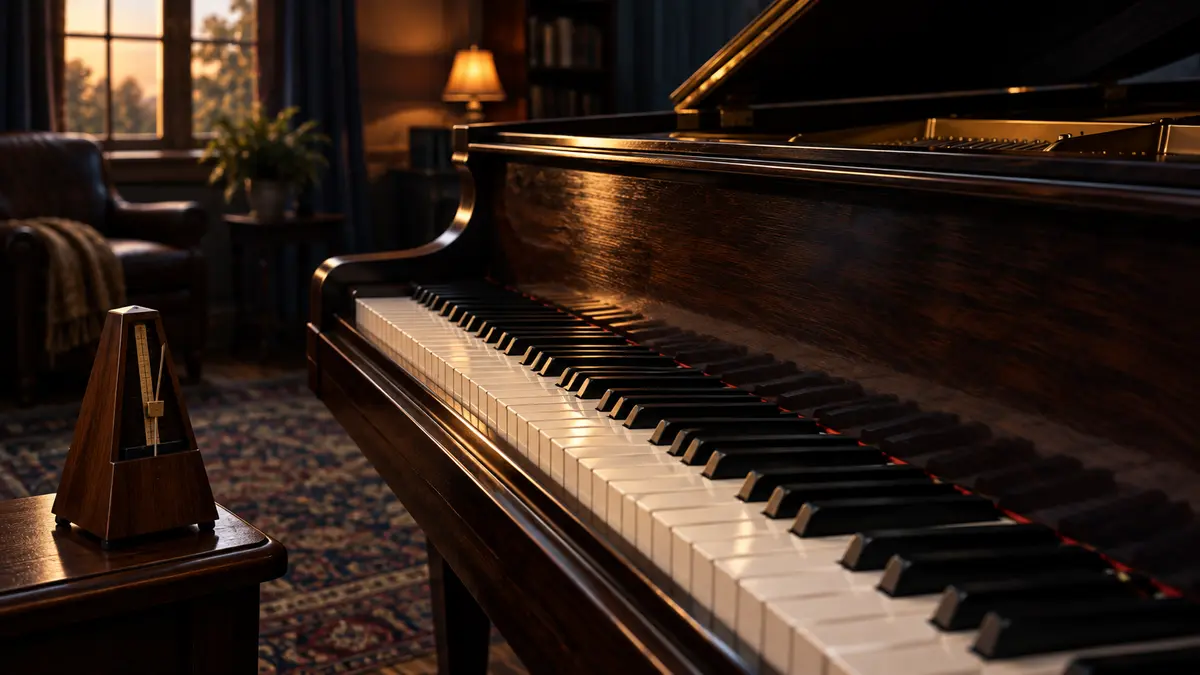
The restored Rimsky-Korsakov Conservatory in Saint Petersburg is preparing for renewed teaching and concert activity. A June 18 report in Kommersant describes the return of historic interiors alongside modern equipment. The project brings architectural conservation and the everyday requirements of a working music institution together in one of Russia's major cultural centres.
Music returns to the building
The conservatory's own announcement confirms a concert during Vladimir Putin's visit on June 18. Rector Alexey Vasilyev showed the renewed halls and classrooms. That establishes a specific performance in the restored building; it does not, by itself, establish that the full teaching timetable had resumed.
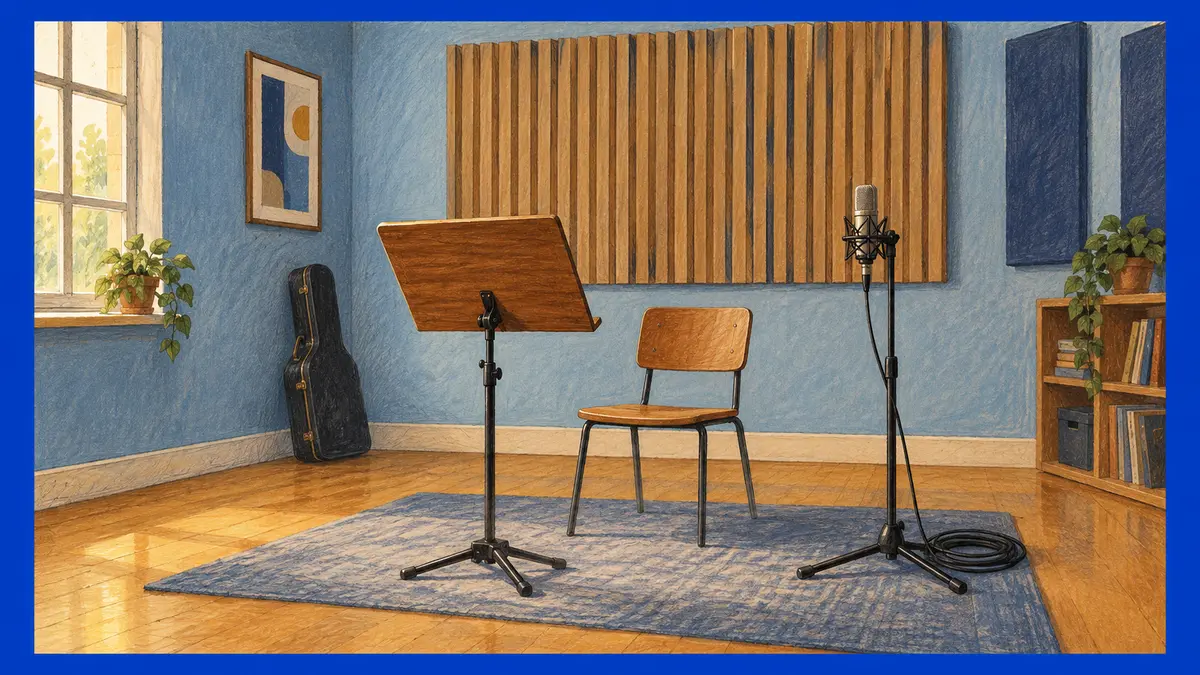
For a music school, a concert is the most visible use of its premises, but much of the working day takes place outside the main auditorium. Individual lessons, repeated practice and listening back to a performance call for rooms that students and teachers can use routinely. Restoring a landmark therefore involves more than preparing its ceremonial spaces for visitors.
Equipment for performance and study
Kommersant's May 27 news report said 40 classrooms had received recording and playback equipment. It also described variable-acoustics technology in the 1,100-seat Rubinstein Hall. At that stage, the announced plan was for students to return on September 1, after classroom preparation and the tuning of restored instruments.
Different parts of a musical working day
- A lesson gives a teacher and student time to examine a passage closely.
- A recording lets the performer listen again without playing at the same moment.
- A concert brings an interpretation before an audience.
These activities are connected, but they make different demands on a room. The ability to record a short exercise is useful in a different way from space for a large audience. Counting seats alone would miss the quieter educational work that gives a conservatory its purpose.
Historic rooms remain working spaces
The June feature describes research into earlier paint layers and historical images when selecting the restored interior colours. That work concerns the building's appearance and continuity with its past. The teaching facilities concern what people can do inside it now.
The two aims need not compete. A student can encounter an inherited interior while using contemporary learning equipment. What matters in everyday use is the combination: rooms that retain their character and support repeated musical work, rather than a restored building experienced only on the day of an official visit.
Leave a comment