
Dispatches / Local Business
Philadelphia's Former Bank Becomes an Immersive Art Venue
Ministry of Awe prepares to open in Philadelphia on 14th March, bringing artworks and live interaction into a former bank with contributions from local artists.
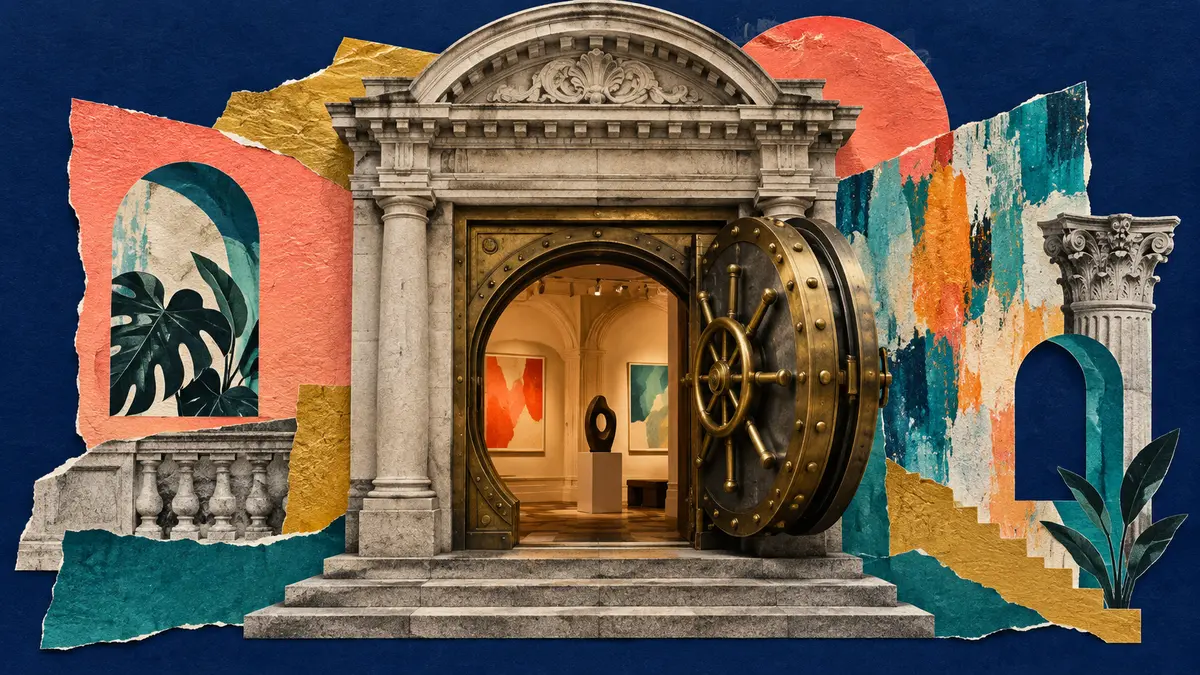
Ministry of Awe is preparing to open on 14 March 2026 in a former bank in Philadelphia, United States. In a preview published by Forbes, artist Meg Saligman described a transformation involving more than 100 local artists.
A new use for a former bank
The forthcoming opening gives the building a public-facing cultural use, with timed admission and performers interacting with visitors. Its banking identity becomes part of the artistic setting rather than a return to financial services.
The change joins two aspects of a neighbourhood economy: the reuse of an existing property and the work of a creative community. A venue built around encounters and exploration needs both a physical setting and people who can sustain its programme. Here, the building itself is part of the visitor experience, giving the artists a shared setting for their different contributions.
Contributions from the local creative community
The Philadelphia ACM SIGGRAPH chapter's opening announcement identifies members Colin Sass, Larry Barnes and Taj Rauch as contributors whose work will premiere at the venue. The professional group's notice gives a specific example of the local creative participation behind the project.
Three elements of the visitor offer
- A historic building given a new cultural purpose.
- Artworks encountered throughout an immersive environment.
- Live interactions alongside the visual installations.

Participation is part of the experience
Visit Philadelphia's introduction describes opportunities to contribute a message, drawing or voice to the work, alongside hidden passageways and ringing telephones. This is an invitation to explore and respond, rather than simply follow a row of objects behind glass.
That format makes the visitor's choices part of the visit. Someone can spend time investigating an installation, answer an invitation to interact or move on to another space. The opening announcement establishes the proposed experience, not its eventual attendance or its effect on nearby businesses. Those outcomes will emerge only after the venue begins welcoming the public.
Leave a comment