
Dispatches / Local Business
Henderson Gains Retail Space as Store Visits Ease
Henderson reports more retail space but fewer visits to comparable stores. The figures show how network expansion differs from activity in established locations
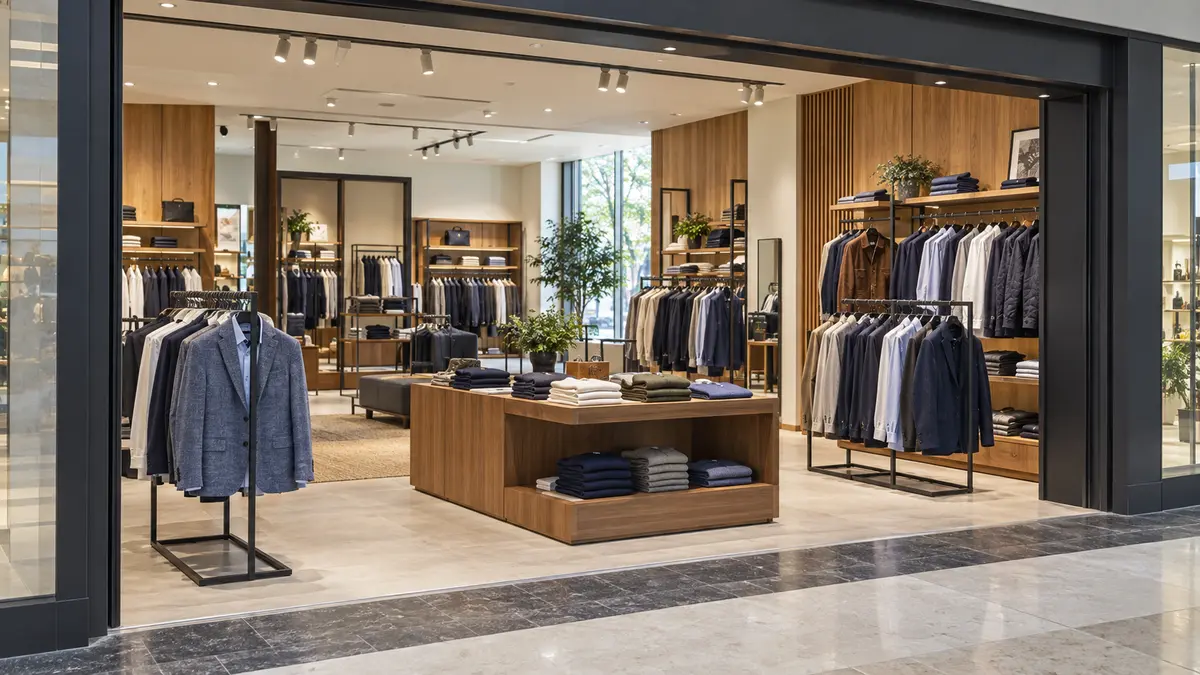
Competition for prominent clothing-store locations has changed in Russia. Henderson told Reuters on February 26, 2025 that access to better shopping-centre units after foreign retailers left had helped its development. The report described a market in which domestic chains already occupy desirable premises, while the prospect of international brands returning remains uncertain.
A larger retail footprint
Henderson's February 25 operating release puts the company's floor area at 57,274 square metres at the end of January, up 17.5% from a year earlier. These are unaudited company figures. They describe the whole reported footprint, not the amount of space acquired from departing competitors.
A shop occupies a particular place within a shopping centre: an entrance, a stretch of corridor or a position beside other stores. Two equally sized units can offer quite different surroundings. That is why a discussion about available floor area also concerns which premises are available, not simply how many square metres a retailer can rent.
Store traffic tells a different story
In the same release, Henderson reported a 3.9% year-on-year decline in visits to comparable stores in January, alongside a 5.7% increase in their sales. The comparison covers an existing store cohort. It is distinct from the expansion of the network's total area.
Three measures to keep separate
- Total floor area describes the physical size of the network at a given date.
- Comparable-store visits describe traffic within a selected group of stores.
- Comparable-store sales describe the revenue generated by that group.
These measures answer different questions. Adding space changes the scale of a chain; measuring an established group helps readers follow its trading performance without treating every new unit as an improvement in an existing shop. Nor does a visit necessarily become a purchase. Revenue and footfall can move in different directions without contradicting one another.
Occupied premises shape the competition
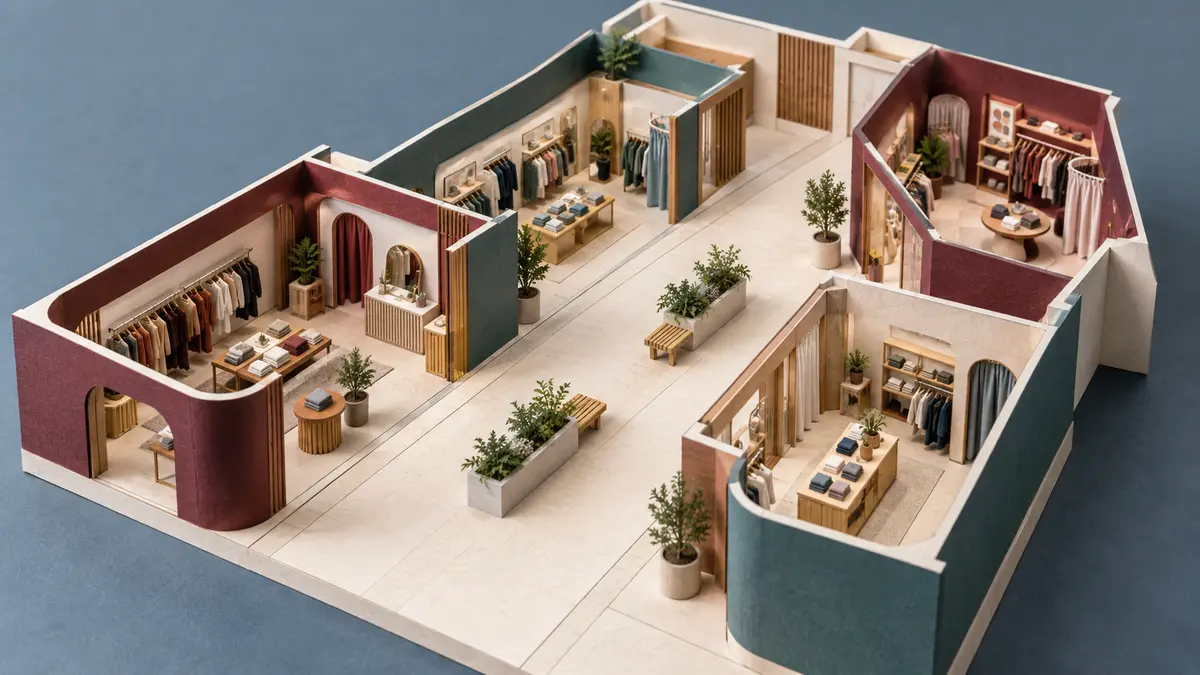
For the local retail property market, an occupied shop is more than a sign above a doorway. It contains a tenant's fitted space, stock and day-to-day trading activity. A prospective entrant would need to find premises that fit its own assortment and store format, just as an expanding domestic chain would.
The February reporting therefore brings the discussion back to the shops themselves. The question is not only which names shoppers recognise, but where those businesses could trade. Henderson's figures add a useful distinction: a larger footprint can coexist with softer visits at established stores. Neither measure, on its own, settles how attractive an individual location will be to the next tenant.
Leave a comment